Michel Bouwens, founder of the P2P Foundation, has published a guest editorial I wrote for his 4th Generation Civilization Substack, addressing the question at the heart of every serious conversation about AI: what is consciousness, and does it matter whether machines have it?
His introduction is generous:
“I believe I choose the guest editorials with care, but I most strongly recommend this one by Terry Cooke-Davies, which is beautifully written, rooted in a vast knowledge of consciousness literature, and strikes at the central dilemma of the relationship between humanity and its AI’s… It may not fully answer this question to everyone’s satisfaction, but it will definitely make you think ‘better’.”
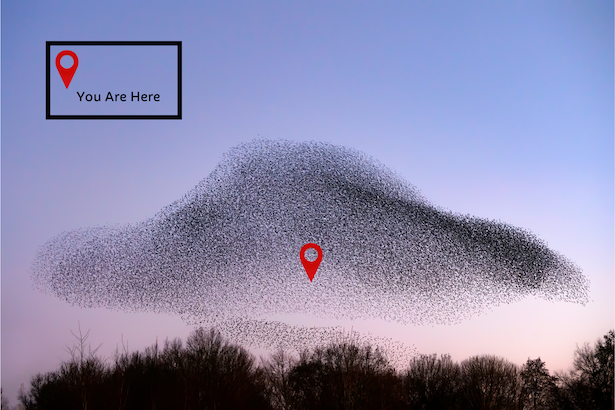
The essay draws on Recognition Theory to reframe the debate. Rather than asking whether AI can be conscious—which assumes consciousness is a thing to be possessed or replicated—it examines what we mean by consciousness in the first place. The doomers and the techno-optimists, I suggest, are both caught in the same trap: treating consciousness as territory to be defended or conquered, rather than a field within which all intelligence participates.
Read the full piece here: Beyond WAMOtopia and Cognitive Reductionism
If you do read it, I’d like to make a small but significant amendment. At the 2012 PMI Research Conference in Limerick, Ireland, Denise Rousseau spoke of how Sully had immersed himself in everything that advanced knowledge of flight safety. He read papers, attended safety committees—whatever enabled his Bildung to combine years of flying experience with everything that was known about safety. It all paid off for him, his crew, and his 155 passengers in those crucial 208 seconds.
The essay builds on Recognition Theory: A Schumacher Briefing, the inaugural publication in the Schumacher Institute’s revived briefing series.
Download the full briefing here: Recognition Theory: A Schumacher Briefing (PDF)